We are working with Connected Kerb to install electric vehicle chargepoints on residential streets. 

We are installing a minimum of 1,125 charging units (2,250 sockets) in over 300 locations in Dorset over 5 years.

Benefits of the scheme

The scheme will help people who don’t have a driveway, garage or any type of off-street parking. It means you can charge your car near your home, even if you can’t install a charger where you live.

The scheme will:

  • provide lower cost on-street charging near people’s homes, saving time and money
  • give current and future EV drivers more choice and convenience
  • prepare Dorset as EV driving continues to increase

More about the scheme

The scheme is:

  • being delivered by Connected Kerb, a leading UK Chargepoint Operator (CPO)
  • funded by the Department for Transport Local EV Infrastructure (LEVI) fund and Connected Kerb
Funded by UK Government logo

More about the chargers

Connected Kerb’s contractor will install the charging units. They will also be responsible for maintaining them.

The Chameleons charging units are:

  • a bollard‑style design
  • fitted with 2 charging sockets
  • one of the smallest dual public EV charging units available

They will be located at the pavement edge or on small pavement extensions. The extensions will help keep the footway wide enough for wheelchairs and pushchairs.

Hand plugging a charging cable into a black Connected Kerb electric vehicle charging unit beside a brick wall.
Person holding a smartphone to check an EV’s charging status while the car is plugged in

Pricing and payment

Electricity from one of Connected Kerb’s chargers is about the same price per mile as diesel or petrol. Like petrol or diesel, electricity prices fluctuate.

You can pay at the charger with a Connected Kerb card, or you can use the Connected Kerb app.

The Connected Kerb app is free to download.

Smart charging on the Connected Kerb app

Connected Kerb offer smart charging. This means you can plug in your vehicle and schedule charging sessions during off‑peak times when electricity is cheaper.

These chargers are useful when you’re parked for a long time and don’t need a quick charge. For example, when you leave your car on the street outside your home overnight.

Where they will be located

On-street chargepoints are being installed in areas where there are homes that do not have off-street parking. This will help current EV drivers charge near home and give people thinking about getting an EV more confidence to make the switch. Chargers will be placed at the pavement edge or on small pavement extensions.

You can find the nearest Connected Kerb chargepoints using the Connected Kerb app. If you want to look for any type of charger, such as one at a supermarket or public car park, you can use Zapmap.

Find out more about how to find an EV chargepoint near you.

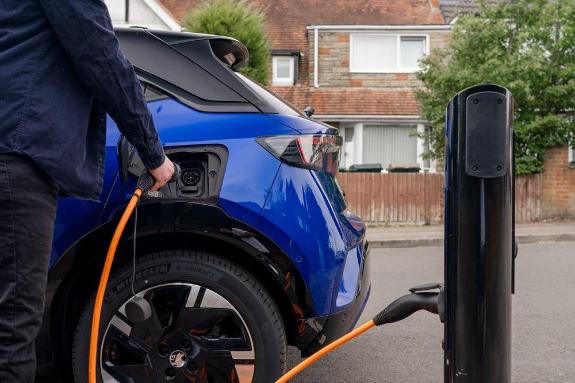
Electric car parked on a residential street while plugged into a kerbside charging unit.

Electric chargepoints and parking

The new charging bays are there to give local residents without off street parking reliable access to EV charging.

While the bays are intended to support electric vehicle charging, they will remain available to all drivers at this stage. This approach helps provide charging opportunities for EV owners while recognising existing parking pressures in the area.

If parking regulation is needed in specific areas in the future, we will give residents clear advance notice.

Choosing locations

We choose EV chargepoint locations based on factors such as:

  • pavement width
  • underground utilities
  • parking restrictions
  • how best to support residents who own EVs without off‑street parking

First locations

Chargepoints will be installed between 2026 and 2031. Work has initially started in Chickerell, Weymouth and Portland areas in 2026. Areas currently planned for winter and spring 2027 include Bridport, Lyme Regis and Beaminster.

Request a charger for your street

Email [email protected] to let us know where you would like to see an electric vehicle charge point near your home.

Public engagement

The engagement programme is organised by ward:

  • Dorset Councillors give initial feedback on the list of viable locations
  • residents are invited to give local information.  Lamp-column notices are used for this purpose.  This is so that residents who park on the street are aware that they can feed in any information that may help the site review process
  • all feedback is reviewed along with other site assessments including road safety assessments
  • once sites are approved, residents receive letters and more information about what to expect ten days before works commence
Initial streetworks can take around ten days with the connection happening several weeks after contractors have left.

Feedback

If you have seen a poster about a proposed chargepoint on your street, tell us about anything that could affect whether it is suitable. This may include information we have not identified through our research or site visits. Please refer to our FAQs when considering your feedback.

Timeline

Chargepoints will be installed between 2026 and 2031, prioritising residential areas with little or no off‑street parking.

Residents questions answered

Common questions about on-street EV chargepoints.

Contact us

If you have questions about EV chargepoints in your area, email our EV team at [email protected]. 

News