
Thriving Communities programme helps strengthen community connections across Dorset
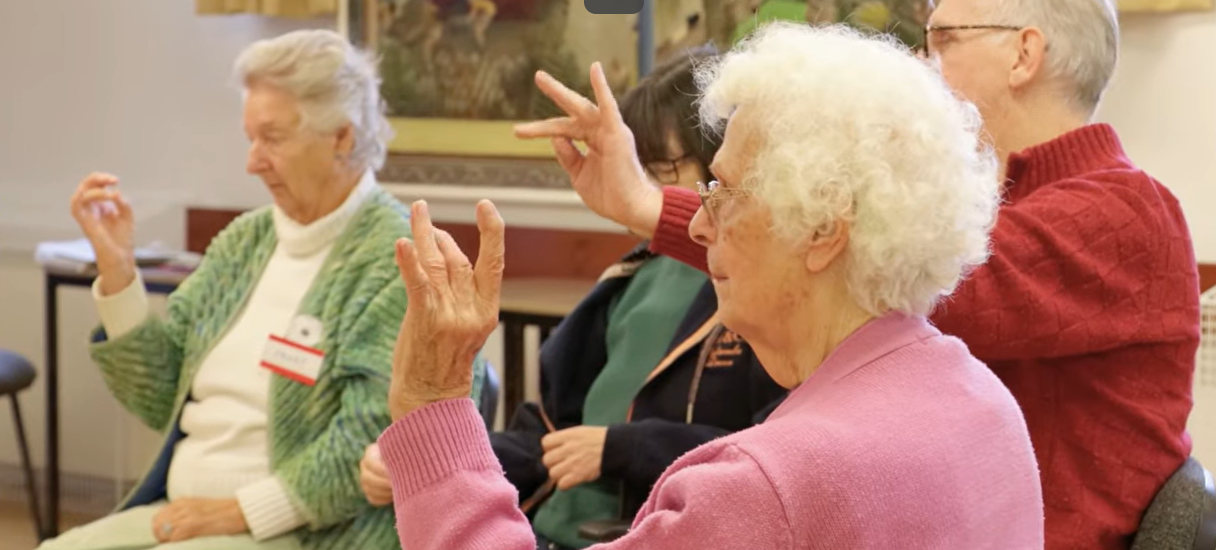
Hundreds of community groups and volunteers are helping to build stronger, healthier and more connected communities across Dorset through the Dorset Council-funded Thriving Communities programme, according to a Year One impact report presented to the Health and Wellbeing Board.
Delivered by Volunteer Centre Dorset (VCD), the programme was established to strengthen community resilience and support organisations that contribute to the health, wellbeing and independence of older residents across North Dorset, Purbeck and Weymouth.
Over its first year, the programme engaged with 93 organisations through nine locality networks and 40 network sessions involving 331 participants.
The report highlights the role that voluntary and community organisations play in reducing social isolation, improving wellbeing and supporting prevention. It also demonstrates that sustainable community development depends on more than financial investment alone, with many organisations facing challenges around volunteer recruitment, succession planning, governance and long-term sustainability.
A key achievement has been the development of Dorset Connect; neighbourhood-based networks that bring local stakeholders together to share intelligence, strengthen collaboration and tackle local issues collectively. The learning gathered through the programme is now helping to shape future approaches to community-led prevention and support.
The programme also introduced the innovative ‘Try It, Do It, Grow It’ funding model. Rather than focusing solely on grants, the approach starts with conversations about what organisations need most, whether that is volunteers, premises, equipment, greater visibility or connections with other groups.
The Health and Wellbeing Board unanimously supported recommendations to continue developing the model, including reallocating funding to increase Volunteer Centre Dorset’s capacity to expand the approach into additional Dorset communities.
Councillor Steve Robinson, Chair of the Health and Wellbeing Board, said: 'This programme is all about real connections that make a tangible difference to people’s lives. The first year has shown the enormous value of Dorset’s voluntary and community sector and the power of trusted local relationships. The Board was pleased to unanimously support the recommendations and the expansion of this successful approach so that more communities can benefit from it.'
Lynita Harris, Chief Executive of Volunteer Centre Dorset, said: 'One of our biggest lessons has been discovering just how many incredible grassroots groups are making a difference every day, often quietly and with limited resources. We learned that funding is important, but it is not always the answer. Building relationships, creating connections and understanding what each community really needs can be just as valuable. Communities are resilient, but they can also be fragile, and trust is every bit as important as investment.'
Ms Harris added: 'The programme has shown that many organisations do not necessarily want to grow bigger, but they do want to become more sustainable. By helping groups connect, share resources and access the right support, we can strengthen the foundations that help communities thrive.'
The report also identified the importance of reaching organisations that operate outside traditional networks and ensuring they can access support and opportunities. The next phase of the programme will focus on strengthening existing community provision, improving links with neighbourhood health and care services, making better use of community assets and developing richer community insight to support long-term prevention.
Categories: Adult's Services Communities
Comments
0 Comments