
Residents’ views lead to changes in Swanage and Studland water safety plans
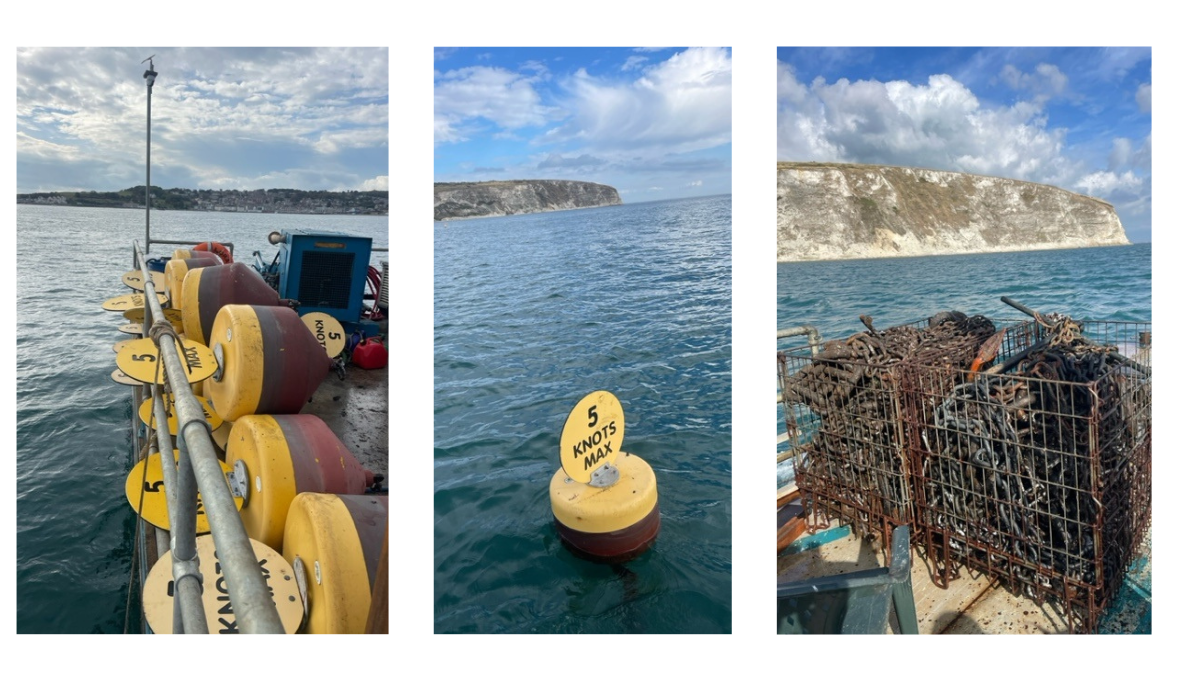
Plans to move speed limit buoys closer to shore in Swanage and Studland bays have been dropped following strong public opposition, Dorset Council has confirmed.
More than seven in ten respondents objected to the proposed changes, with nearly 86% against in Swanage and 73% in Studland.
The feedback came through a public consultation on updates to watercraft byelaws, which set the rules for how motorised boats and jet skis operate in the bays.
A total of 437 responses were received during the eight‑week consultation, with more than three‑quarters coming from Swanage residents. Many responses also came from local sailing, rowing and swimming groups, highlighting how important the bays are to a wide range of regular users.
The draft byelaw is designed to improve safety on increasingly busy waters and protect sensitive marine habitats, including seagrass in Studland Bay, while allowing people to enjoy activities such as swimming, paddleboarding, kayaking and powered boating.
The consultation showed clear support for some changes. More than 60% of respondents backed extending the period when speed restrictions apply by one month. As a result, the amended byelaw will now run from 15 March to 30 October each year.
There was also strong agreement that the rules should continue to focus only on motorised watercraft. Following feedback, non‑motorised users such as sailing boats and rowers will not be included in the byelaw.
Views were strongest on the proposed repositioning of the 5‑knot speed marker buoys. Taking account of this feedback, the council has confirmed that buoys will remain at 300 metres from mean high water in both bays.
In Swanage, a small adjustment will ensure the buoy line consistently sits at 300 metres, as it can currently extend further out in places. In Studland, the buoys will remain at 300 metres but will follow the line of the voluntary no‑anchor zone where the two meet, helping to protect seagrass areas while maintaining clear speed limits.
Some respondents also raised safety concerns, particularly in Studland, underlining the need for clear boundaries and better awareness between different water users.
Cllr Nick Ireland, Dorset Council’s Leader and Cabinet Member for Climate, Performance and Safeguarding, said:
“We’d like to thank everyone who took part in this consultation. It shows just how much people value these bays and want them to be safe and well managed.
“We’ve listened carefully to what people told us. That means keeping the focus on motorised craft, extending the timing of speed restrictions, and responding to strong views about the buoy positions.
“Our aim is to make it safer and easier for everyone to enjoy the water, while protecting the natural environment that makes this part of Dorset so special.”
The council will now update the byelaw in line with the consultation findings and submit it to the Department for Transport. The proposals will also be considered by Full Council before being put forward for final approval by the Secretary of State.
Updating a byelaw typically takes around 18 months. If approved, the new rules are expected to come into force in 2027.
Categories: Harbours Place based services Environment and Ecology
Comments
0 Comments