
Putting animal welfare first
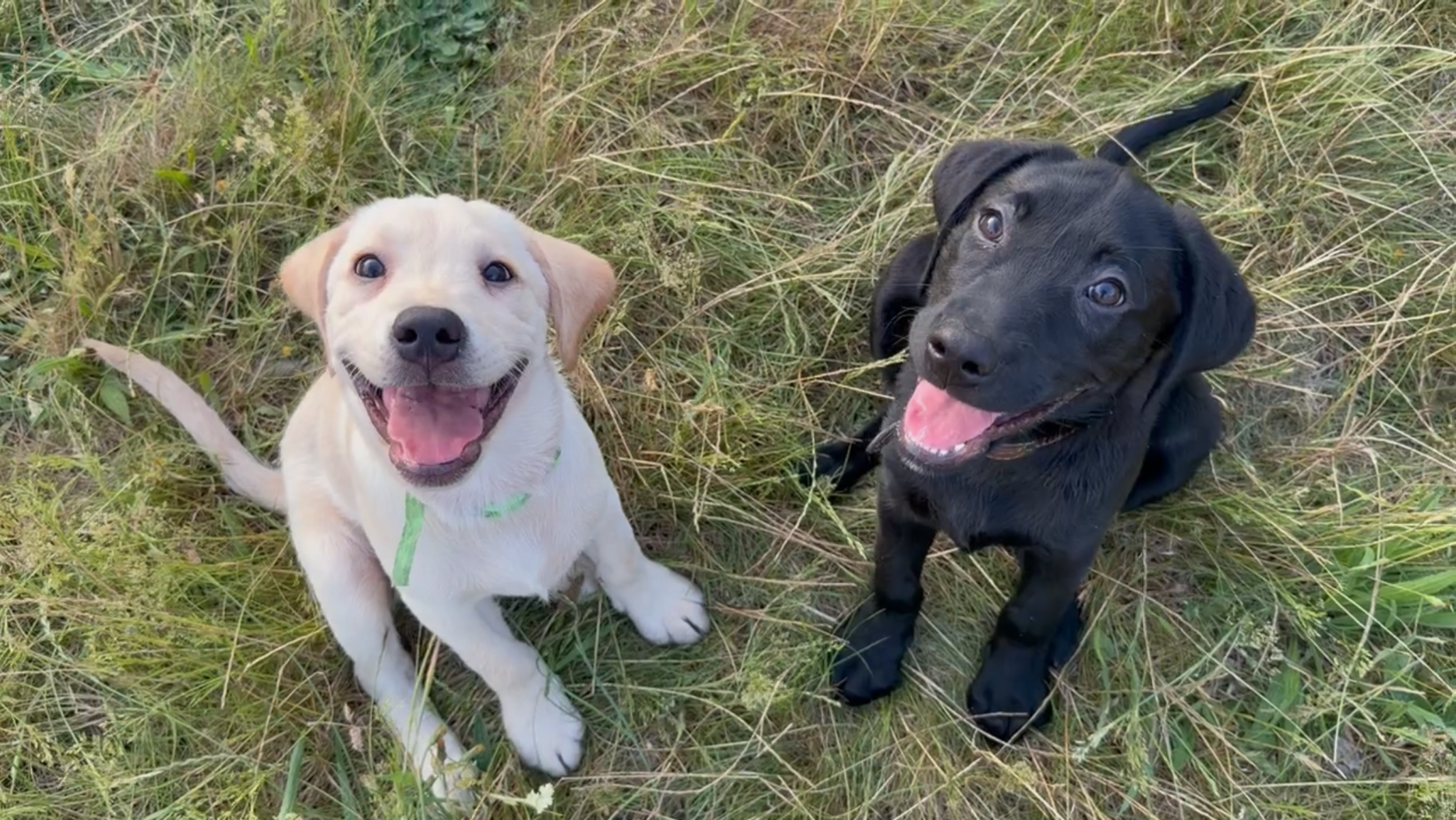
Do you need a licence to earn money from animals? Here’s what you need to know.
People who make an income from activities such as breeding and selling animals, dog boarding, or keeping or training animals for displays and events, are being urged to check if they need an animal welfare licence.
This applies to individuals as well as businesses and charities. Without a licence, owners could face a penalty of up to £5,000 or prosecution.
If you earn £1,000 or more a year from certain animal-related activities you are legally required to have a licence. (Some exemptions apply.)
Activities include, but are not limited to:
- selling puppies or other animals as pets (even for one litter but the total income exceeds £1,000)
- boarding dogs at home or at a premises, including occasional paid boarding, if the total income for the year exceeds £1,000
- hiring out horses for riding, e.g. riding school, pony or donkey rides
- displaying animals for exhibition or education, e.g. school visits, parties or fairs
We actively enforce animal licensing laws. Last month, the council issued three penalty notices totalling £4,400:
- £1,725 and £1,425 for unlicensed dog breeding. In both cases, concerns raised by people who had bought puppies led to investigations and enforcement action
- £1,250 for breaching licensing conditions by a home boarder
A licence shows that an animal business has met the welfare standards required by law and its animals are safe, healthy and well cared for. It also gives customers confidence when choosing a service.
Our Animal Licensing and Dog Control Team recommends that residents only use licensed operators, as animal welfare standards cannot be guaranteed where businesses are unlicensed.
Cllr Matt Bell, Cabinet Member for Public Health, Prevention & Communities, said: “The welfare of animals is at the heart of these regulations. Licences help make sure animals are properly cared for, vaccinated and kept in safe and suitable conditions.
“They also support responsible sellers and businesses and give customers confidence that animals are well looked after.
“With the price of puppies often reaching hundreds or even thousands of pounds, it’s easy to go over the £1,000 threshold. If you think this might apply to you, please contact the council as early as possible.
“The same applies if you hire out horses or offer animal experiences at events. If you’re being paid to do so, you may need a licence.
“Most people do the right thing, but where they don’t, we will take action to protect animals across Dorset.
“If you’re earning money from activities related to animals, please check if you need a licence and apply so you are not caught out.”
If you earn £1,000 or more a year from certain animal-related activities you are legally required to have a licence. (Some exemptions apply.)
Talk to the council
Residents and businesses who are unsure whether they need a licence are encouraged to contact us. For example, if someone plans to breed a dog with the intention of selling any of the puppies, a licence may be required before breeding takes place, particularly if the income from sales is likely to exceed £1,000.
Email our Environmental Health team at [email protected] or call customer services on 01305 221000 and ask for Environmental Health
Find out more and apply for a licence
About the licence
A licence costs from £500 and includes checks by trained inspectors. Applicants must provide evidence of proper care, such as vaccination records and suitable living conditions. Inspections usually take two to three hours and may involve a vet, particularly for dog breeding.
Licences can last up to three years but are only issued if all legal standards are met.
Operating without a licence when one is required is a criminal offence. We will issue Penalty Notices of up to £5,000 per offence. More serious breaches will be taken to court.
Check before you use an animal business or plan to buy from them
Residents are also encouraged to check that any animal business they use is licensed. This helps ensure animals are well cared for and supports responsible operators.
Further guidance on which activities require a licence, how to apply, and the standards expected is available on our webpages.
- Read more about animal licensing
- View the Animal Welfare Regulations (2018)
- Check online if someone has a licence
Being a responsible dog owner includes keeping vaccinations up to date and protecting against parasites. This helps prevent illness and supports animal welfare. These standards also form part of licensing requirements for anyone breeding, boarding or working with dogs.
Comments
0 Comments